
The Latest Motorcycle Helmet Laws in Oregon
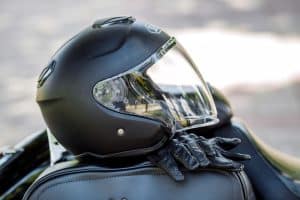 If you ride a motorcycle in Oregon, you need to know the helmet rules. Helmet laws aim to keep riders safe. Whether you abide by those laws can affect certain aspects of a personal injury claim if you suffer injuries while riding because of someone else’s negligence.
Oregon law requires helmets for all motorcycle drivers and riders
Everyone riding a motorcycle, moped, or unenclosed autocycle in Oregon must wear a U.S. Department of Transportation (DOT)-approved helmet. This isn’t just a rule for drivers; passengers must also follow it. The law is strict because helmets can prevent brain injuries, keep debris out of your eyes, and reduce harm in a crash, even if you’re only traveling a short distance.
Choosing the right helmet
Not all helmets are created equal. DOT-compliant helmets meet federal safety standards. You have options—full-face, three-quarter, or half helmets. Full-face helmets guard your entire head, including the chin and face, providing the strongest level of protection. Three-quarter helmets protect the head but leave your chin exposed. Half helmets shield the very top of your head and usually offer the least protection.
No matter what type you choose, ensure the helmet isn’t cracked or broken, and that the chin-strap can fasten tightly.
Proper helmet fit matters
For your helmet to offer real protection in a crash, it needs to fit right. It should sit snugly on your head but not cause discomfort. The cheek pads must make contact with your cheeks; there shouldn’t be open spaces near your temples. The chin or face shield mustn’t rub against your nose or chin.
Eye and face protection
Full-face helmets or helmets fitted with shatter-resistant shields are strongly recommended. While a windshield, eyeglasses, or sunglasses might block some wind or bugs, they do less to protect your full face during an accident.
Wearing the right helmet gives you the most protection possible. Even on short trips, putting it on could save your life.
How motorcycle helmet usage affects injury claims
Oregon law requires all motorcycle riders and passengers to wear a helmet. If you weren’t wearing one, you’ve violated the law. However, this doesn’t prevent you from filing a personal injury claim if someone else’s negligence caused your accident. That being said, it does give insurance companies and defendants a way to challenge certain aspects of your demands.
Comparative negligence and reduced compensation
After a crash, insurance companies look for reasons to pay less. Not wearing a helmet gives them more grounds to push back on your claim, especially for head or face injuries. Their goal will be to argue your comparative fault or that helmet nonuse increased your injuries, reducing damages.
Oregon uses a rule called “comparative negligence” when awarding compensation in a personal injury claim. This means that if you are partly at fault for your injuries, your compensation can be lowered by your percentage of fault. If you were not wearing a helmet when the crash happened, the defense can argue that some of your injuries were your own fault.
For example, if a head injury would likely have been prevented or less serious with a helmet, the other side will argue that you should receive less compensation for medical costs or damages related to your head.
This does not bar you from getting compensation altogether. Instead, your damages will be reduced by the level of fault you are assigned. For example, if you are found to be 20% responsible for your injuries, any compensation you receive will be reduced by that 20%. If your total damages add up to $100,000, you would actually get $80,000.
Compensation could be barred altogether
Another thing to keep in mind is that if your share of fault is greater than the other party’s – meaning you’re more than 50% to blame – you will not be able to recover any damages at all, no matter how serious your injuries.
Juries might react emotionally
Even with a strong case, judges and jurors may react emotionally when hearing that you didn’t wear a helmet. Some may think you could have prevented injury more easily, which can sometimes impact the final decision. Legal arguments matter, but human reactions play a role, too.
How a motorcycle injury lawyer helps after an accident
Motorcycle accidents are often severe, leading to painful injuries, piles of paperwork, and constant calls from insurance companies. A motorcycle injury lawyer can help you with your case, whether you were wearing a helmet or not. Here’s how:
Investigating the accident
A lawyer looks for every detail in your case. They collect evidence, photograph the accident scene, and review police reports. Your lawyer can also speak with witnesses, who can explain what really happened.
Dealing with the insurance company
Insurance companies sometimes want you to settle fast or accept less than you deserve. Motorcycle accident attorneys are used to their negotiation tactics. Your lawyer handles the conversations, files claims, and pushes for a fair payment. Even if you weren’t wearing a helmet, your lawyer can argue that this had little, if anything, to do with who caused the crash.
Documenting and calculating damages
After a motorcycle crash, it’s easy to focus just on medical bills. A lawyer will look deeper. They factor in lost wages, ongoing psychological effects of an injury, the cost of therapy appointments, property damage, and any other effects you’re experiencing from the accident.
Countering bias against riders
Motorcyclists often face unfair blame. Insurance adjusters or others may see riding as “risky,” pointing fingers even when the biker followed every rule. Lawyers challenge these ideas in both negotiations and courtrooms. Even in situations where a helmet wasn’t used, an attorney can use medical records to show the injury could have happened anyway, and that not wearing a helmet didn’t make the harm any worse.
Whether your helmet was on or not, a motorcycle accident attorney stands by your side to help you get everything you’re entitled to after someone else causes an accident.
For the last two decades, our firm has helped injured riders get the compensation they deserve. We have recovered millions of dollars for our clients, and we understand the hardships that follow a crash. If you have questions or want to start your claim, contact Philbrook Law, Accident and Injury Lawyers, today to set up a free consultation.
Founding Attorney Matthew Philbrook attended Clark College, Washington State University, and Gonzaga University School of Law. He is a member of the Washington State and Oregon State Bar Associations and started Philbrook Law in 2005. He specializes in Personal Injury and Accident cases. Learn more about Mr. Philbrook.