
Nursing Home Falls – Accidents and Protocols
Seniors are more likely to slip and fall and more likely to suffer severe injuries after a fall than younger people. Their advanced age often means they have balance and stability issues. When older people have injuries, it takes much more time to fully heal than for young people. Sadly, most seniors don’t have the time they need to heal.
At Philbrook Law, our nursing home neglect lawyers in Vancouver and Battle Ground, WA have been fighting for personal injury victims since 2005. We understand why slip and fall accidents at nursing homes happen, what steps nursing homes should take to avoid these accidents, and why the nursing homes should be held accountable for the injuries and deaths they cause.
Reasons why seniors may fall in nursing homes
According to the Agency for Healthcare Research and Quality (AHRQ), about half the 1.6 million residents in US nursing homes fall. About a third fall at least twice each year.
The elderly are already at a greater risk of a fall. Vision problems may make it more likely for someone to trip over an object, and many seniors have health disorders of their hips, legs, feet, thighs, knees, and toes. (Some may have even had surgeries for them.) Certain cognitive disorders and medications can affect balance and fatigue levels, too. But nursing homes and assisted living facilities are supposed to be aware of all of this already. After all, if the senior resident was capable of living safely on his or her own, he or she wouldn’t be in a nursing home in the first place, right?
The nursing home may be responsible for the fall for many reasons:
- Poor nursing home design, including a lack of railings for support, ramps for walking, and a failure to use non-slippery material
- Failure to monitor seniors
- Equipment that is unsafe
- Failure to provide wheelchairs, canes, and other assistive devices
- Failure to install elevators instead of stairs
Some of the many risk factors for falling that nursing homes need to have protocols for include:
- Poor lighting
- Living quarters that are cluttered
- Floors that are uneven or wet
- Furniture that isn’t stable
- Beds with wheels that need to be checked for stability
- Wheelchairs that don’t work
What are the dangers associated with falls?
According to AHRQ, 1 in 10 seniors who fall suffer a severe injury. About 65,000 nursing home residents break their hip each year. Other dangers of falling in a nursing home include:
- The need for surgery and follow-up medical care including physical therapy
- A loss of mobility
- An inability to walk
- Fear of falling again
- Restrictions on the activities the patient can participate in
In the worst case scenario, a fall can lead to death, especially if the resident hits his or her head, or falls into water.
Seniors who do fall should be taken to a local emergency room to be examined, unless the nursing home has qualified in-house staff. Seniors may suffer any of the following injuries due to a slip and fall accident:
- A traumatic brain injury or head trauma if they strike their head on the ground or objects when they fall.
- Spinal cord damage and paralysis may occur in any fall including falls on the resident’s back.
- Broken bones including broken hips, arms, legs, hands, and feet
- Nerve, muscle, ligament, and muscle damage
- Neck, shoulder, and back pain
- Many other types of serious injuries
Some seniors never fully recover from a slip and fall accident. Sadly, some residents die as a result of the fall.
Our lawyers work to show that a nursing home employee or the nursing home itself acted negligently and should be held liable for the accident.
If the nursing home is liable, then, generally, the damages are paid either by the general liability insurance carrier or through professional liability insurance. Which coverage is used depends on various factors beginning with the cause of the slip and fall at the nursing home.
How can a fall management program help?
Nursing homes can many safety steps starting with implement a fall management program (FMP) according to the Agency for Healthcare Research and Quality. Here are three things that should be included in that plan:
- Responding quickly when a fall does occur. The nursing home should work quickly to help the senior who fell get the treatment he/she needs. The home should also work quickly to determine the cause of the fall so that other seniors don’t fall.
- Long-term planning. The nursing home should consider:
- Identifying the residents who are most likely to fall
- Review a resident’s vulnerability to falls on a regular basis such as every three months
- Initiate a safety culture. “Developing a culture of safety requires changes in staff attitudes, beliefs, and behavior as well as changes in management style.” “An environment of “no blame/no shame” will provide an open atmosphere where staff members can report errors and safety concerns without fear of punishment. This culture should include:
- Requiring that all staff members identify and report any safety issues
- Empower the members to correct safety problems
- Empower managers to enforce safety policies
- Have data to evaluate how well or poorly the safety protocols are working
- Encourage open communication
- Foster strong leadership
What precautions should nursing homes take to avoid slip and fall accidents?
Nursing homes know that most of their residents are in their 60s, 70s, 80s, and 90s. They know many already use canes and walkers – or will quite soon. There are numerous steps nursing homes should take to prevent or reduce the risk of falls. Nursing homes should have a fall prevention plan that begins with reviewing the layout and use of the nursing home. Level ground is generally better than inclines and stairs.
Other nursing home safety steps include:
- Reviewing the medications a senior takes. Some drugs can make patients tired or confused. Some drugs and drug interactions with other drugs can increase the risk of falling. Medications can affect an older person’s balance and their ability to respond to any dangerous conditions. The medical staff at the nursing home should review the risks of the resident’s current medications. It may be possible to switch to safer medications.
- The use assistive devices. Nursing homes and occupational therapists can help seniors understand what devices such as wheelchairs, canes, and walkers can help them keep their balance. The residents should be trained on how to properly use these devices. Some adjustments such as rubber tips on walkers, seatbelts for wheelchairs, and cushions to prevent a senior from sliding out of a wheelchair can be beneficial
- Clearing away any obstacles. Seniors can easily trip and fall over any debris or objects on the floor. Floors that are wet should be cleaned immediately. Broken tiles and torn carpets should be fixed.
- Keeping a hazard checklist. The nursing home should have a system in place to report objects that need to be cleared and arrange for the cleanup. There should be routine inspections throughout the day.
- Staff education. The workers at the nursing home who help the residents move, enjoy nursing home activities, get to the dining room, and move to the various other parts of the nursing home need to understand what hazardous conditions may cause a senior to fall. They should know where the warning signs are and use those warning signs until the hazards can be removed.
- Using chair and bed alarms. These alarms help alert the nursing home staff that someone has fallen. The devices use “pressure sensors that sound an alert when weight is taken off of them. Research has suggested that chair or bed alarms can be a useful part of a fall prevention program but aren’t sufficient for preventing falls on their own.”
- Speaking with the senior about their vision. Many seniors need cataract surgery. While they have their cataracts, the risk of falling dramatically increases. After cataract surgery, the resident may need to have their prescriptions changed depending on the type of lens that is inserted into their eyes. Macular degeneration and other eye disorders can also increase the risk of falling because the resident cannot fully see where he/she is going.
- Adequate supervision. The nursing home should have enough staff to help seniors move from place to place and to monitor any activities such as walking or aerobic exercise.
Other preventive steps include looking at the footwear of the resident. Some shoes offer better traction than others. Consider keeping the resident active. Exercises, for some residents, can help improve the strength in their legs, knees, and ankles which can help the seniors keep their balance. Other factors that can help reduce the risk of falls include better lighting and adjusting the height of the resident’s bed.
Another (Albeit older) suggestion is to review the use of vitamin D supplements, based on a doctor’s prescription, that may help reduce the number of falls that occurred between 17% and 19%.
How skilled nursing home lawyers can help
Experienced Vancouver, WA nursing home lawyers work aggressively to show how the fall occurred and why the nursing home is responsible. The initial starting point is determining the way the fall occurred – tripping over an objection, slipping on a wet floor, the lack of a handrail, or many other reasons. We also examine what safety protocols were in place and what safety measures should have been in place. We examine if there were any prior complaints about the area where the fall happened or the basis for the fall. We work to show the nursing home knew or should have known about the danger of a fall, and that they failed to act proactively or in response to a complaint.
At Philbrook Law, our nursing home neglect and abuse lawyers understand the critical needs for safely caring for seniors who live in nursing homes in Vancouver, Battle Ground, and throughout Washington State. We understand the duties nursing homes have to anticipate senior health problems and the steps the homes and staff should take to reduce the risk that these health problems may occur. We also understand that seniors have less time to live than younger people – which means every minute and every day is important. We fight to hold nursing homes responsible when they fall to protect seniors from falls or other accidents. To speak with a respected nursing home lawyer in Vancouver, WA or Battle Ground, WA, call us at 360-610-4229 or use our contact form to discuss your case.
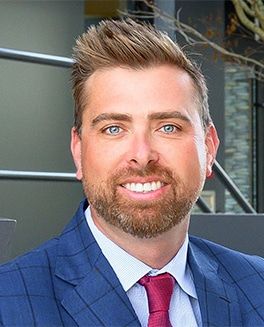
Founding Attorney Matthew Philbrook attended Clark College, Washington State University, and Gonzaga University School of Law. He is a member of the Washington State and Oregon State Bar Associations and started Philbrook Law in 2005. He specializes in Personal Injury and Accident cases. Learn more about Mr. Philbrook.