
Why You Should Call the Police After a Car Accident in Oregon
 If you’re involved in a car accident in Oregon, even one that looks minor, you should always call the police. It might initially seem unnecessary, but all accidents should be taken seriously. By calling the police and waiting for an officer to arrive, you protect yourself and your rights. The officer’s report can make all the difference in getting your car fixed, handling insurance claims, or proving what happened.
Is calling the police required in Oregon?
In Oregon, certain accidents require you to contact law enforcement. If someone gets hurt, if someone dies, or if there is more than $2,500 worth of damage – either to vehicles or other property – you must notify the police. Also, if a car cannot be driven away and needs a tow truck, you are supposed to report it. This usually happens by contacting the local police or the Oregon State Police and giving them detailed information about what occurred.
If you skip this step and do not report as laws require, there can be serious legal consequences. Following the law by calling after an accident helps you avoid these issues.
Why calling 911 after a car accident helps your injury claim
When you’re in a car accident, it can be overwhelming and confusing. Even if you feel okay or the crash seems minor, you should either call 911 or a local non‑emergency police number. Taking this step can make a huge difference, especially when you need to prove your injuries later. Here’s why making that call helps with your injury claim:
Creates an official record of the accident
When the police respond to the scene of an accident, they create an official accident report. It includes the date and time of the accident, who was involved, what the road and weather conditions were like, and any other information the officer thinks is relevant. It’s helpful to have this official document of the accident so the basics of your story aren’t called into question.
Adds credibility
Insurers often consider police reports, and while Oregon accident reports are generally inadmissible to prove negligence at trial, they can be helpful for your lawyer. Since the officer has no personal stake in your case, their notes help prove you’re telling the truth. This removes a lot of grey area if the other driver tries to argue with your version, and major insurers often work faster when police documents are available.
Protects against false claims
Sometimes, without a police report, the other driver might twist the story later to protect themselves. A police report records everyone’s initial statements while events are fresh. It makes it much harder for someone to change their facts later if those facts are written into an official document right away.
Calling 911 is an important step to take right after an accident – make sure you don’t overlook it, even if you think the accident isn’t that serious.
What to do (and not do) while you wait for the police to arrive
Being involved in any type of accident can be stressful and disorienting. While waiting for the police to arrive, what you do next matters. Your actions could affect your safety, your rights, and possible compensation. Here are some things to keep in mind:
Move to safety and put your hazard lights on
If your vehicle can still be driven and it’s safe to do so, move it out of active traffic to avoid getting hit again. Switch on your hazard lights right away, so passing drivers notice you. Do everything you can to prevent further danger while you wait for the police to arrive.
Exchange information with other drivers involved
Make sure you exchange information with any other drivers involved in the accident. This should include names, phone numbers, driver’s license information, and insurance information. Don’t discuss what happened – just get the information you need.
Get witness information
Sometimes people nearby will stop to help or check that you’re okay. Ask for their names and contact information in case the police or your insurance company needs a statement later. A third-party account can provide valuable support, corroborating your description of what happened. Your lawyer can reach out to them for their statement and figure out the best way to use it in your case.
Don’t apologize or argue
When you’re shaken up, apologizing or trying to explain what happened may occur without even thinking. Avoid both. An apology, even if said out of politeness, can be used against you later. Insurance companies might take what you said as an admission of responsibility at the scene, even when the facts do not support that. This can lead to your compensation being reduced.
It is better not to admit fault or blame anyone while you wait for the police. Stay calm, say as little as possible beyond what’s required for exchanging details, and let the investigation take its course.
Don’t post about your accident on social media
After you’ve been involved in a car accident, it can be tempting to post on social media – it’s a normal part of what people do in the modern day. That being said, it’s important not to make any posts about the accident or your injuries. Insurance adjusters and defense attorneys will look at your social media to try to find ways to dispute your version of what happened and prove that your injuries aren’t as severe as you claim. You should avoid posting anything on social media until your case is resolved.
Being involved in an accident is always overwhelming, but taking these steps can give you the best chance at protecting yourself and your rights in the future.
You don’t have to deal with the aftermath of an accident on your own. Our team is committed to standing up for people injured by someone else’s negligence. With over 20 years of experience handling injury cases, we’re prepared to fight for your interests. You never owe us any payment up front; we only get paid if you get paid. Reach out to Philbrook Law, Accident and Injury Lawyers, today to schedule a free consultation.
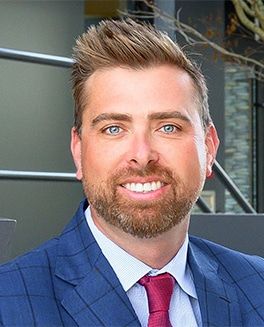
Founding Attorney Matthew Philbrook attended Clark College, Washington State University, and Gonzaga University School of Law. He is a member of the Washington State and Oregon State Bar Associations and started Philbrook Law in 2005. He specializes in Personal Injury and Accident cases. Learn more about Mr. Philbrook.